
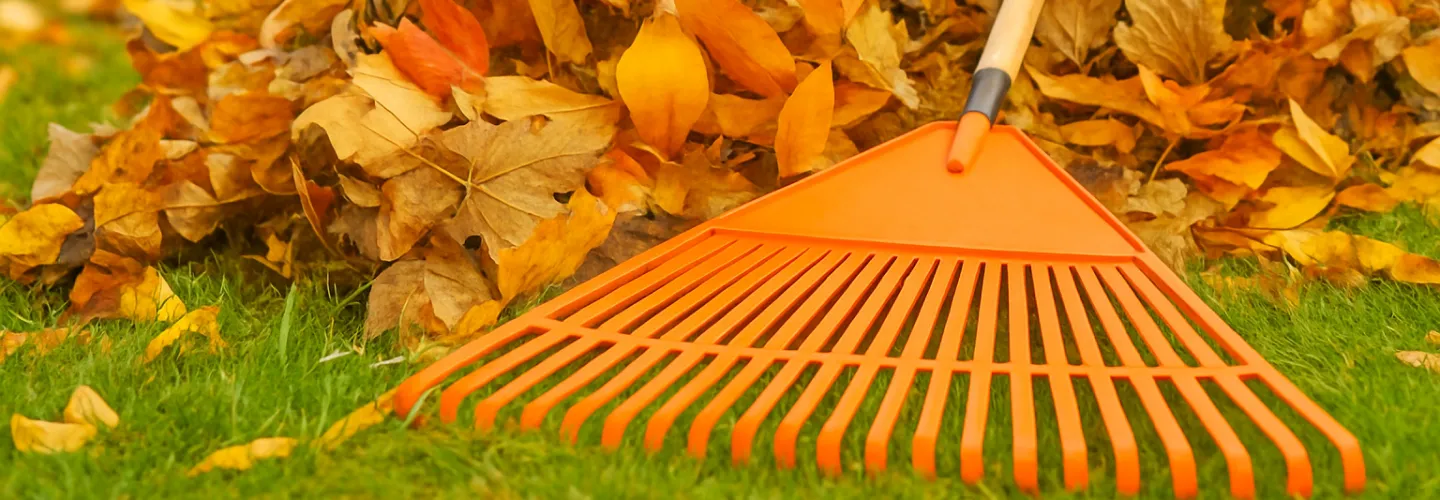
Wyoming Leaf Removal Services
Choose our leaf removal service for hassle-free, thorough cleanup that keeps your property looking pristine and healthy all season long.
Get a Free QuoteOur Wyoming Landscaping & Yard Care Services
When to Schedule Leaf Removal in Wyoming, Ohio – Seasonal Guide
In Wyoming, Ohio, the best times for leaf removal are typically late October through early December, when the majority of deciduous trees—such as those lining Springfield Pike and the historic Oak Avenue district—have shed their leaves. The city’s climate features cool autumns with moderate rainfall, and the first frost usually arrives in early November, signaling the ideal window to clear leaves before winter sets in. Delaying removal can lead to soggy, compacted leaves that may damage turf and encourage mold, especially in shaded yards common near Stearns Woods and Crescent Park.
Local environmental factors play a significant role in determining the right timing for leaf removal. Wyoming’s clay-heavy soils retain moisture, increasing the risk of lawn suffocation if leaves are left too long. Areas with dense tree canopies, such as those near the Wyoming Golf Club, require more frequent attention due to rapid leaf accumulation. Additionally, municipal guidelines and neighborhood associations may have specific collection schedules or restrictions—always check the official city website for updates.
Local Factors to Consider for Leaf Removal in Wyoming
- Tree density and species (oaks, maples, and sycamores drop leaves at different rates)
- Proximity to landmarks like Stearns Woods or Crescent Park, where shade coverage is higher
- Typical precipitation patterns and risk of early frost
- Soil type (clay soils common in Wyoming neighborhoods)
- Municipal collection schedules and local restrictions
- Terrain and yard slope, which affect leaf accumulation and runoff
Benefits of Leaf Removal in Wyoming

Enhanced Lawn Health
Improved Curb Appeal
Prevention of Lawn Diseases
Efficient Cleanup Services
Time and Effort Savings
Professional Landscaping Expertise
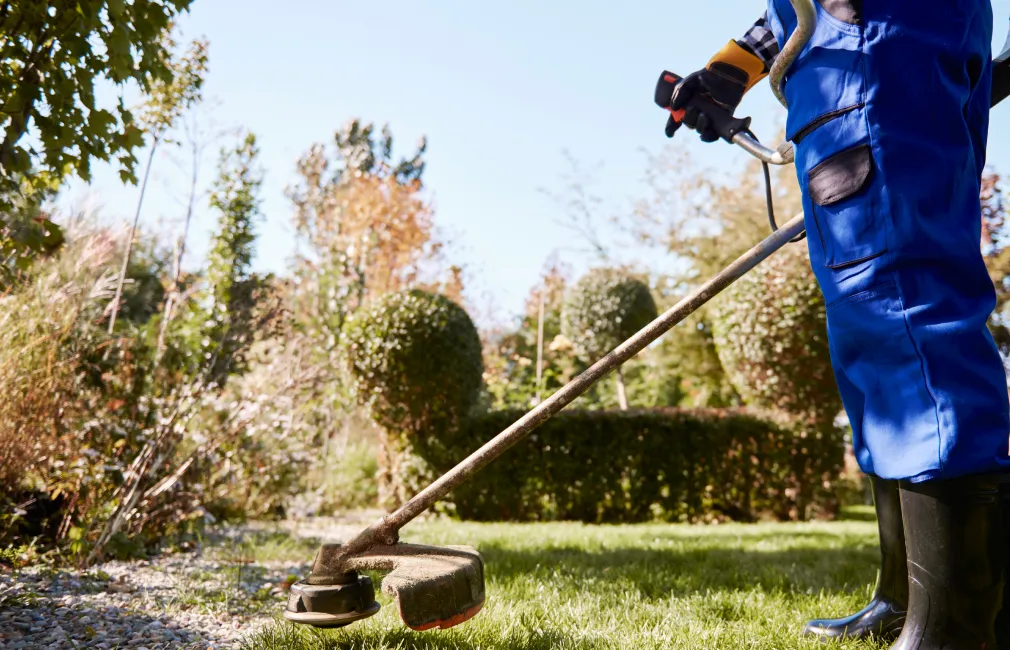
Wyoming Leaf Removal Types

Curbside Leaf Pickup
-
On-Site Leaf Mulching
-
Bagged Leaf Collection
-
Vacuum Leaf Removal
-
Seasonal Yard Cleanup
-
Compost Hauling
-
Gutter Leaf Clearing
Our Leaf Removal Process
Site Evaluation
Leaf Gathering
Collection and Removal
Final Inspection
Why Choose Wyoming Landscape Services

-
Wyoming Homeowners Trust Us
-
Expert Lawn Maintenance
-
Reliable Snow Removal
-
Competitive Pricing
-
Professional Team
-
Satisfaction Guarantee
-
Personalized Service
Wyoming’s Leaf Collection Program: Schedules, Containers, and Ordinance Compliance
Leaf removal in the City of Wyoming is governed by municipal collection schedules and strict disposal requirements to ensure public safety and environmental protection. The city provides curbside leaf collection from October through early December, with weekly pickups scheduled by neighborhood. Residents must use biodegradable paper bags or reusable containers (32-gallon maximum) for loose leaves; plastic bags are strictly prohibited. Branches and brush must be bundled and not exceed 4 feet in length or 4 inches in diameter. Collection occurs Monday through Friday, with no pickups on city holidays. Equipment operation for leaf removal is permitted:
- Monday-Friday: 7:00 AM - 7:00 PM
- Saturday: 8:00 AM - 6:00 PM
- Sunday and holidays: Prohibited
Violations of these ordinances may result in fines. For detailed collection maps and updates, consult the Department of Public Works.
City of Wyoming Public Works Department
800 Oak Avenue, Wyoming, OH 45215
Phone: (513) 821-3505
Official Website: City of Wyoming Public Works Department
Soil Series and Drainage Considerations for Leaf Removal in Wyoming, OH
Wyoming’s predominant soils, including Miami silt loam and Rossmoyne silt loam, are moderately well-drained with a pH typically ranging from 6.0 to 7.2. These soils can accumulate excess organic matter if leaves are not removed promptly, leading to compaction and reduced turf health. The city’s rolling topography and proximity to Mill Creek increase the risk of nutrient runoff if leaves are left on impervious surfaces. To maintain soil health and prevent drainage issues:
- Remove leaves weekly during peak fall drop (late October–mid-November)
- Avoid piling leaves near storm drains or water bodies
- Incorporate collected leaves into compost or use as mulch after shredding
For detailed soil maps and management recommendations, consult the USDA Web Soil Survey and OSU Extension.
Environmental Compliance: Stormwater, Wetlands, and State Regulations in Wyoming
Leaf removal activities in Wyoming must comply with the city’s MS4 stormwater permit and state environmental laws. The Ohio Environmental Protection Act and Clean Water Act prohibit the disposal of leaves and yard waste in storm drains or within 25 feet of wetlands and streams. The city’s Environmental Stewardship Commission oversees local buffer zone enforcement and public education. Key compliance steps include:
- Maintain a 25-foot no-disturbance buffer from wetlands and Mill Creek
- Never blow or sweep leaves into the street or storm inlets
- Use only approved containers for curbside collection
For questions on buffer zones or reporting violations, contact:
City of Wyoming Environmental Stewardship Commission
800 Oak Avenue, Wyoming, OH 45215
Phone: (513) 821-7600
Official Website: City of Wyoming Environmental Stewardship Commission
Statewide stormwater compliance is overseen by:
Ohio Environmental Protection Agency
50 West Town Street, Suite 700, Columbus, OH 43215
Phone: (614) 644-3020
Official Website: Ohio Environmental Protection Agency
Seasonal Timing and Weather Guidance for Leaf Removal in Wyoming’s Climate Zone
Wyoming, OH is located in USDA Hardiness Zone 6a, with average first frost dates in late October. Leaf drop from native oaks, maples, and sycamores typically peaks between October 20 and November 15. Timely removal is critical to prevent turf smothering and stormwater blockages. The National Weather Service Cincinnati office provides weekly forecasts to help schedule removal before heavy rain or wind events. Best practices include:
- Begin weekly removal by October 15
- Complete final cleanup by December 1
- Monitor soil moisture and avoid removal during saturated conditions
For up-to-date weather alerts and frost forecasts, consult the National Weather Service Cincinnati.
Safety Protocols and Equipment Standards for Leaf Removal in Wyoming
All leaf removal operations in Wyoming must adhere to municipal safety standards and equipment regulations. Operators are required to use commercial-grade blowers and vacuums equipped with noise-reducing mufflers, maintaining noise levels below 85 decibels at property lines. Personal protective equipment (PPE) is mandatory:
- Eye protection: ANSI Z87.1 safety glasses
- Hearing protection: Earmuffs or plugs for 85+ dB
- Footwear: Steel-toed, non-slip boots
- Gloves: Cut-resistant for handling brush
Maintain a 15-foot clearance from overhead utilities and public sidewalks. Equipment operation is restricted to permitted hours as outlined by city ordinance. For additional safety guidance, contact:
City of Wyoming Community Development Department
800 Oak Avenue, Wyoming, OH 45215
Phone: (513) 821-7600
Official Website: City of Wyoming Community Development Department
What Neighborhoods Do We Serve Throughout Wyoming, OH?
- Historic Village District: Characterized by mature tree canopies and narrow streets, requiring frequent leaf removal and careful equipment access to avoid damaging historic infrastructure.
- Oakwood: Features large lots with heavy oak and maple coverage, leading to high leaf volume and the need for weekly collection during peak season.
- Hilltop: Elevated terrain with moderate slopes and well-drained soils; leaf accumulation can impact stormwater runoff patterns and requires attention to curbside placement.
- Worthington Avenue Area: Dense residential development with smaller yards and limited curb space, necessitating strict adherence to container size and placement guidelines.
- Springfield Pike Corridor: Proximity to Mill Creek and commercial properties increases the importance of buffer zone compliance and storm drain protection.
- Forest Avenue Neighborhood: Noted for its proximity to city parks and conservation areas, requiring extra care to prevent leaf debris from entering protected zones.
- Burns Avenue Area: Mix of older and newer homes with variable lot sizes and tree density, presenting diverse challenges for scheduling and equipment maneuverability.