
Wyoming Hedging Services
Choose our professional hedging services for expertly shaped, healthy, and long-lasting hedges that enhance your property's privacy, curb appeal, and value.
Get a Free QuoteOur Wyoming Landscaping & Yard Care Services
When to Schedule Hedging in Wyoming, Ohio – Seasonal Guide
In Wyoming, Ohio, the best times to schedule hedging are closely tied to our region’s unique climate and landscape. Early spring, just after the last frost, and late summer are generally optimal, as these periods allow shrubs and hedges to recover quickly and maintain their shape throughout the growing season. The rolling terrain near Oak Park and the mature tree canopies in neighborhoods like Wyoming Hills create microclimates that can affect when hedging should be performed. For example, areas with dense shade may require later trimming to avoid frost damage, while sunnier spots near the Wyoming Golf Club can benefit from earlier attention.
Local environmental factors such as soil composition—often a mix of clay and loam—impact root health and regrowth rates. Humidity levels and the risk of summer droughts also play a role, as excessive moisture or dryness can stress plants. It’s important to consider municipal guidelines and neighborhood association rules, which may restrict hedging during certain months. For more information on local regulations, visit the official city resource.
Local Factors to Consider for Hedging in Wyoming
- Tree density and shade coverage in your yard
- Soil type and drainage, especially in older neighborhoods
- Typical precipitation patterns and drought risk
- Frost dates and seasonal temperature swings
- Terrain variations, such as slopes or low-lying areas
- Municipal or HOA restrictions on landscaping activities
Benefits of Hedging in Wyoming
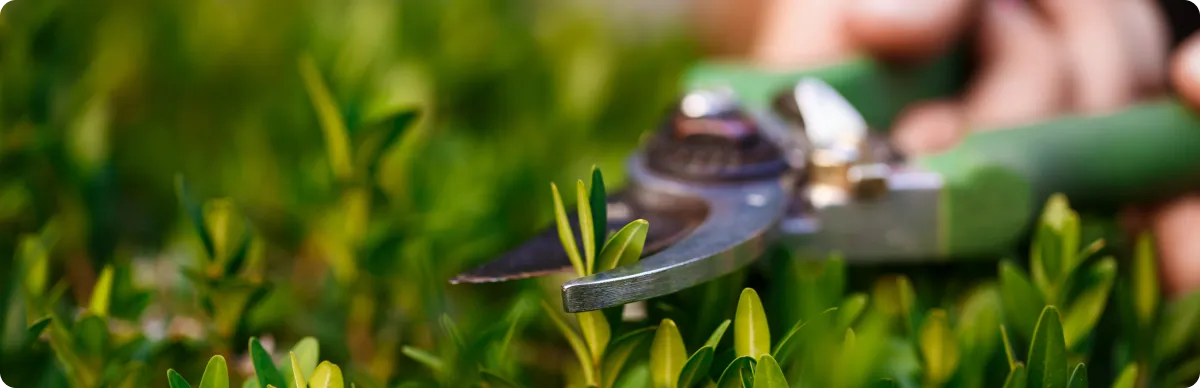
Enhanced Property Privacy
Wind Protection for Gardens
Increased Curb Appeal
Wildlife Habitat Creation
Low Maintenance Solutions
Year-Round Landscape Structure
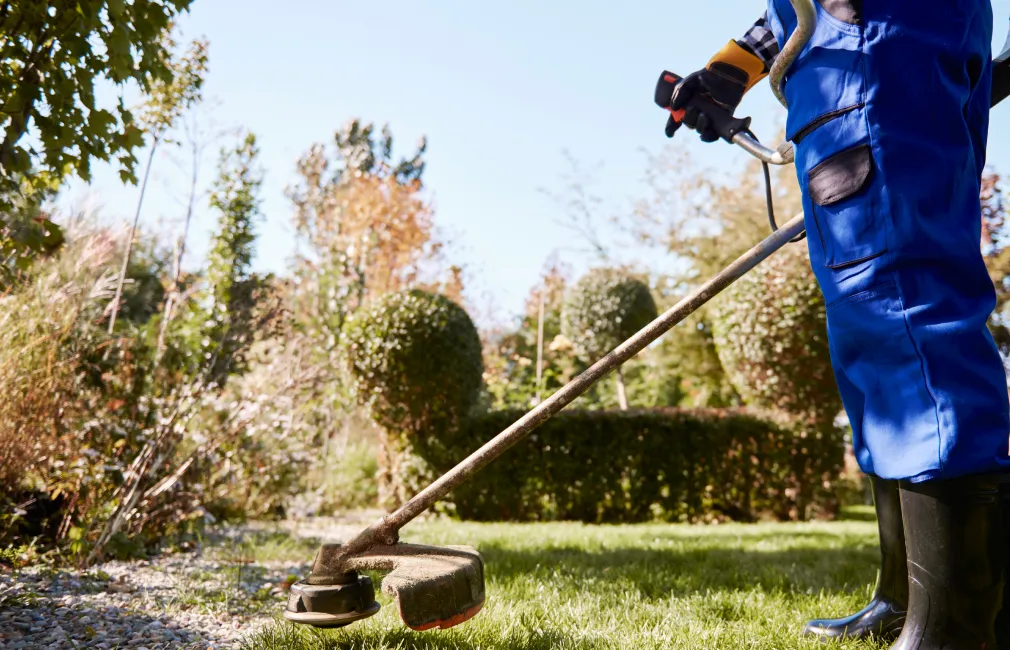
Wyoming Hedging Types

Caragana Hedge
-
Lilac Hedge
-
Cotoneaster Hedge
-
Juniper Hedge
-
Privet Hedge
-
Buffaloberry Hedge
-
Chokecherry Hedge
Our Hedging Process
Consultation
Site Preparation
Precision Trimming
Cleanup
Why Choose Wyoming Landscape Services
-
Wyoming Homeowners Trust Us
-
Expert Lawn Maintenance
-
Reliable Snow Removal
-
Competitive Pricing
-
Professional Team
-
Satisfaction Guarantee
-
Personalized Service
Hedging Practices for Wyoming’s Urban Clay Loam Soils and Drainage Patterns
Hedging in Wyoming, OH requires careful consideration of the city’s predominant urban soils, which are classified as Miami silt loam and Rossmoyne silt loam according to the USDA Web Soil Survey. These soils are moderately well-drained but can exhibit compaction and slow infiltration in developed areas, especially near historic neighborhoods. For optimal hedge establishment, soil pH should be maintained between 6.0 and 7.0, with organic matter incorporated at a rate of 2-3 inches tilled to a 6-inch depth. Soil testing is available through OSU Extension for a typical fee of $15-25. When planting, ensure spacing of 18-24 inches between shrubs for dense coverage and root health. Avoid planting in areas with persistent standing water or within 25 feet of designated wetlands.
City of Wyoming Public Works Department
800 Oak Avenue, Wyoming, OH 45215
Phone: (513) 821-3505
Official Website: City of Wyoming Public Works Department
Equipment Operation Hours and Noise Ordinance Compliance for Hedge Maintenance in Wyoming
Wyoming enforces specific noise and equipment operation ordinances for outdoor maintenance, including hedging. Permitted hours for powered hedge trimmers and related equipment are:
- Monday-Friday: 7:00 AM - 7:00 PM
- Saturday: 8:00 AM - 6:00 PM
- Sunday and holidays: Prohibited Equipment must not exceed 85 decibels at the property line. Operators are required to use commercial-grade trimmers with functioning mufflers and to wear ANSI Z87.1 safety glasses, hearing protection for noise above 85 dB, and cut-resistant gloves. When working within 15 feet of public sidewalks or roadways, high-visibility vests are mandatory. For projects near intersections or city parks, advance notification to the Department of Public Works is recommended to coordinate traffic and pedestrian safety.
City of Wyoming Public Works Department
800 Oak Avenue, Wyoming, OH 45215
Phone: (513) 821-3505
Official Website: City of Wyoming Public Works Department
Environmental Buffer Zones and Stormwater Compliance for Hedging Near Wyoming’s Wetlands and Streams
Properties adjacent to Wyoming’s wetlands, stream corridors, or conservation areas must observe strict buffer requirements when installing or maintaining hedges. The city typically enforces a 25-foot no-disturbance buffer from delineated wetlands and a 50-foot setback from the banks of West Fork Mill Creek and its tributaries. Clippings and yard waste must not be deposited in storm drains or water bodies, in accordance with Wyoming’s MS4 permit under the Clean Water Act and Ohio Environmental Protection Act. Residents are required to use biodegradable bags or 32-gallon containers for green waste, with weekly curbside collection every Thursday from April through November. Prohibited materials include plastic bags and branches over 4 inches in diameter.
City of Wyoming Environmental Stewardship Commission
800 Oak Avenue, Wyoming, OH 45215
Phone: (513) 821-7600
Official Website: City of Wyoming Environmental Stewardship Commission
Ohio Environmental Protection Agency
50 West Town Street, Suite 700, Columbus, OH 43215
Phone: (614) 644-3020
Official Website: Ohio Environmental Protection Agency
Selecting Hedge Species Suited to Wyoming’s USDA Hardiness Zone 6a
Wyoming, OH is located in USDA Hardiness Zone 6a, which supports a range of hardy hedge species. For formal hedges, consider boxwood (Buxus sempervirens), American holly (Ilex opaca), and common yew (Taxus x media). For privacy screens, arborvitae (Thuja occidentalis) and viburnum (Viburnum dentatum) are well-adapted to local conditions. Native options such as serviceberry (Amelanchier canadensis) and ninebark (Physocarpus opulifolius) provide wildlife value and resilience to local pests. Recommended spacing is:
- Boxwood: 18-24 inches apart
- Arborvitae: 36-48 inches apart
- Viburnum: 24-36 inches apart Mulch 2-3 inches deep to conserve moisture and suppress weeds, but keep mulch 2 inches away from stems. For detailed plant selection and pest management, consult OSU Extension resources.
What Neighborhoods Do We Serve Throughout Wyoming, OH?
- Historic Village District: Characterized by mature trees, compacted urban soils, and smaller lot sizes, requiring careful root zone protection and compliance with historic landscaping guidelines.
- Oakwood: Features larger lots and moderate slopes, with Miami silt loam soils and good drainage, ideal for privacy hedges and native species plantings.
- Worthington Avenue Area: Dense residential development with narrow streets and overhead utilities, necessitating compact hedge species and attention to equipment access.
- Hilltop: Elevated terrain with Rossmoyne silt loam soils, moderate drainage, and exposure to wind, making windbreak hedges and soil amendment important.
- Springfield Pike Corridor: Proximity to commercial properties and public right-of-way, requiring strict adherence to setback regulations and visibility standards for traffic safety.
- Forest Avenue: Adjacent to parkland and conservation areas, with increased wildlife activity and buffer zone enforcement for wetland protection.
- Burns Avenue: Mix of historic and newer homes, variable soil compaction, and frequent utility easements, requiring coordination with city departments for planting approvals.